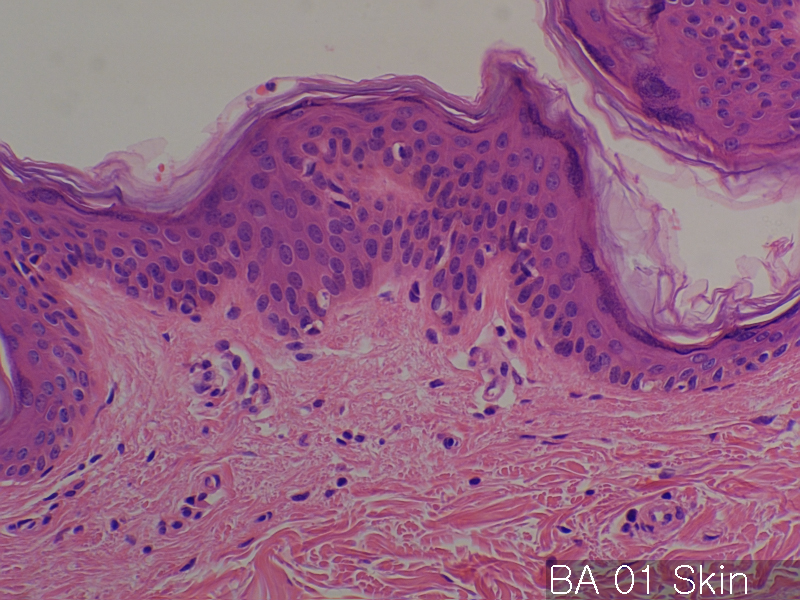
Evaluation slide (TEST SLIDE)

Product name Evaluation slide (TEST SLIDE)
Cat. No. BA
Current version BA4
Data sheet BA4.pdf
No. of samples 24
No. of patients 24
Core diameter 2.0 mm
Section thickness 4 micrometer
Description No. of normal cores: 12 cores
No. or cancer cores: 12 cores
The price of the TEST SLIDE is one-fourth of regular array slide.
The quality of this test slide is same as the other array slides.
This slide can be used for adjustment of experimental condition.
The TEST SLIDE is also useful for most researchers who consider
the experiment using tissue array slides.
Price 177 EUR
230 USD
150 GBP

Evaluation slide (TEST SLIDE) Skin Normal     Evaluation slide (TEST SLIDE) Breast NormalEvaluation slide (TEST SLIDE) Spleen Normal

Product Related Literature

A recent study of the tissue microarray, resulting in a rapid progress in toward the quantification of a large group of biomarkers in normal and diseased tissue. However, standard procedures for the collection of tissue has not yet been established for molecular profiling.

This study presents a high-throughput analysis of non-uniformity in the breast tissue of texture image for the purpose of identifying the region of interest in the organization for molecular profiling by tissue microarray technology. Image structure breast histological slides has been described with respect to three parameters: occupancy percentage ratio of the area occupied by image block chromatin (B) as the statistical heterogeneity index (P) and such areas, the stroma , in many cases, H is used for image analysis. It uses both the color and greyscale segmentation, is defined in the thousands per image block in the data set our texture parameters are calculated. The image block, were classified into three classes by using the parameters for the new texture features statistical learning algorithm. The categories are as follows. The image block these are not unique to a specific characteristic, to block cancer tissue, the disease state and normal breast tissue to normal image block.

Lead to the identification of tissue slides the same area as the cancer-specific grayscale and color segmentation technology. In addition to the image block that has been identified as a cancer-specific cells, and is part of the area crowded them in the section of the slide image of the whole was marked by two pathologists as the unit of interest for histological study further .

After 20 years, it is true has been proven, if available, the tissue Stanford Microarray Database today, images more than 200,000 are included, these advantages, clinical diagnosis related to tissue You write, and put a cloth colored with relevant organizations metadata. The TMAD, tools for the analysis and tools import score is included via a Web interface intuitive fabric design, and image.

Adaptive segmentation of histology images in constituencies they were applied in successive stages of the two. First, we used the index of the brightness to determine the (consisting of interstitial regions abundant chromatin) the foreground from the background. For this purpose, iterative algorithm is used to adapt the two component mixture Weibull parameters for monitoring the brightness. Algorithm iterative search online to find the mixing parameters that are optimized to fit the observed values. Then, the maximum likelihood threshold value between two components is determined by the brightness threshold value for separating the interstitial rich region is stained chromatin regions.

Several models of the system and object database that are disclosed, for managing the data organization. Purpose up to the modeling of metadata for comprehensive management of tissue microarray study of a large group. There are similarities, by providing public access to the raw data fabric experiment, TMAD is different. The ongoing collaboration with research group in the United States other than remove the sample slides during the delay and resulting complications and institutions have developed transported, a clear method for transferring metadata and images from cooperative organizations As a part.

Antibodies specific for the protein used for Human Protein Atlas project administered to tissue microarrays, to create a profile of expression and localization in 48 normal human tissues, based on the systematic creation of 20 types of cancer 47 cell line published Atlas of protein antibody-based public comprehensive.
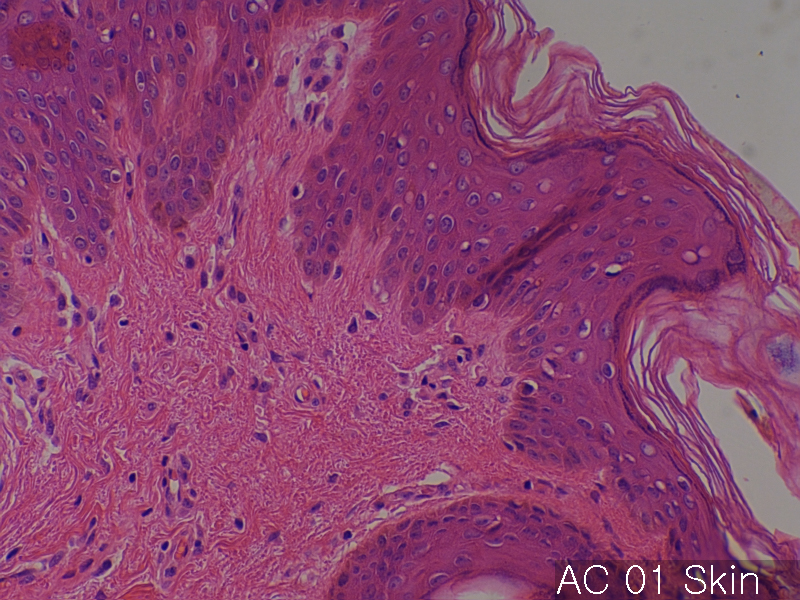
Normal organs from non-cancer patients

Product name Normal organs from non-cancer patients
Cat. No. AC
Current version AC1
Data sheet AC1.pdf
No. of samples 60
No. of patients 60
Core diameter 2.0 mm
Section thickness 4 micrometer
Price 244 EUR
320 USD
210 GBP

Normal organs from non-cancer patients      Normal organs from non-cancer patientsNormal organs from non-cancer patients

Product Related Literature

After the non-cancer patients, carried out after the war between the development of the movement of the Marie Curie has been suggested, however, good faith, the treatment of terminal care home patients, often totally inadequate due to lack of training and skills is. At this point, he has the experience, Nursing, which has been driven to improve the care of terminal cancer patients who had trained as a doctor with the specific goal to address this issue Sicily and medical caseworker or nurse Saunders (Dame Cicely current). Patient care, dedicated to research and education, she has opened a St. Christopher hospice within 10 years of qualification. It is one of the greatest achievements in the medical half a century last British definitely hospice movement is spreading rapidly. It relies heavily on charity and is not funded by the government yet, but movement was the Dame Cicely message to the attention of doctors around the world.

That the hospice movement should focus primarily on cancer patients it is of course, Notre Dame, Sicily, in certain diseases, was not his intention to limit this approach is it I have said in the introduction of palliative care of Patients1 for non-cancerous, that. Rather, he will be equally applicable to other forms of terminal illness hopes that the experience of cancer was obtained in the first few days of the exercise. In order to identify an approach to palliation of the disease within the field of your specific, and is involved in the hospice movement directly to all of them, Irene Higginson editor, and Julia Addington-ton Hall, a variety of medical I have invited experts in the field. Some topics, regularly indicate that formally expertise of people trained in palliative care, may be particularly useful in (AIDS and cardiopulmonary diseases and chronic neurological particular) often It can be important in order to appear enough, in various fields within the expertise and improve the well-being of patients in the final stages of the disease. The concept of palliative care is extremely stretched, this is not evidenced by the chapter that sickle cell anemia, treat anywhere. It expertise of genetic diseases and chronic relief pain can lead to symptoms of infants requiring a knowledge of life advice and psychological support from the team to enough information crisis painful this disease that it requires is true that there is much more to it than that. Crisis with pain should be considered physician with experience in actual in the treatment of this condition, such a crisis and tell the serious complications than being sequestrated in other organs lung, spleen and sickle-shaped red blood cells The patient is treated in a multidisciplinary unit that has extensive knowledge and experience in caring for them is important there.

Human tissue array

Cat. No.Product Description
DatasheetNo. of samples
AA
Normal Organspdf359
ABNormal organs in duplicatespdf360
ACNormal organs from non-cancer patientspdf360
BAEvaluation slide (Test Slide)pdf324
BBVarious Cancerspdf360
BCNormal Organs and Cancerspdf359
CAProstate cancer normalpdf349
CBABreast cancer-metastasis normalpdf359
CCBreast cancer normalpdf360
CCALung Cancerpdf359
CCNLung cancer metastasis normalpdf359
CDColon and Rectum cancerpdf359
CDANormal lung matchingpdf359
CDNNormal Colon and Rectumpdf359
CHLarynx and pharynx cancerpdf359
CJOvary cancerpdf359
CKMalignant melanomapdf359
CLKidney cancerpdf359
CQStomach cancerpdf359
CQNNormal stomachpdf359
CREsophagus cancerpdf360
CSLiver cancerpdf359
CSALiver cancer-metastasis-normalpdf359
CSNNon-neoplastic liverpdf359
CTThyroid cancer-normalpdf359
CUVarious sarcomaspdf359
CVOsteosarcomapdf360
CWLipomatous tumorspdf359
CXSkin cancer-normalpdf349
CYNNormal endometriumpdf359
CZAUterine cervix cancer-metastasis-normalpdf359
DAAGastrointestinal stromal tumorpdf359
FAMetastatic cancer to ovarypdf359
FBPrimary cancer of FApdf330
MACommon cancers (1)pdf359
MANNormal matching tissues of MApdf359
MBCommon cancers (2)pdf359
MBNNormal matching tissues of MBpdf359
MCCommon cancers (3)pdf359
MCNNormal matching tissues of MCpdf359
VAVarious cancers, high density (1)pdf3146
VBVarious cancers, high density (2)pdf3146
VCVarious cancers, high density (3)pdf3146