Various cancers, high density (3)

Product name Various cancers, high density (3)
Cat. No. VC
Current version VC2
Data sheet VC2.pdf
No. of samples 146
No. of patients 146
Core diameter 2.0 mm
Section thickness 4 micrometer
Price 244 EUR
320 USD
210 GBP
Description ovary: 27 cores
myometrium: 2
prostate: 6
testis: 11
mediastinum: 1
penile shaft: 1
urinary bladder: 15
kidney: 16
brain: 6
thyroid: 15
adrenal gland: 21
thymus: 2
endocrine pancreas: 4
non-Hodgkin’s: 18
leukemia: 1

Various cancers urinary bladder

Product Related Literature

Sarcoma is a cancer that arises from transformed cells of mesenchymal origin. Thus, the hematopoietic tissue malignancies made of bone cancer, cartilage, fat, muscle, or vasculature, by definition considered sarcoma. This is in contrast to malignant tumors derived from epithelial cells called cancer. Human sarcoma is very rare. For example, common malignancy breast cancer, such as lung and colon cancer are the most cases. The sarcoma, depending on the type of organization that is most similar, has been given the name some. For example, as of osteosarcoma, it is similar chondrosarcoma, in smooth muscle cartilage, fat, such as liposarcoma, such as leiomyosarcoma.

, In addition to names based on the tissue origin, grade (low, medium, high) sarcoma receive based on the frequency and the presence or absence of intracellular functions and specific cells associated with the biological behavior of malignant. It is used chemotherapy or radiotherapy at times, but typically, low-grade sarcoma were treated surgically. The combination of surgery, medium and high-grade sarcoma, has been treated with radiation therapy and / or chemotherapy often. Possibility that the higher-grade tumor is subjected to (spread of local and distant sites and aggression) metastasis as high, they are treated more aggressively. Recognition sarcoma many that are sensitive to chemotherapy can significantly improve the survival rate of patients. For example, in the days before the chemotherapy, long-term survival in patients with osteosarcoma is only about 20% locally, but it has risen to 60-70% currently.

Surgery is important in the treatment of sarcoma most. Unlike ablation, it is possible to preserve limb following surgery, is used to maintain the patient at the end of at least 90% of the tumors of the extremities. Adjunctive therapy comprising chemotherapy and radiation therapy may be administered and / or after pre-operative. Chemotherapy significantly, I have improved the prognosis of patients with many of them sarcoma, and osteosarcoma in particular. To be a long and difficult process will take about one year for many patients treatment. The sarcoma, new cases of 15,000 years is very rare in the United States. Thus, sarcoma, which represents about 1% of the new cancers diagnosed each year 1.5 million in Japan. Gastrointestinal stromal tumor (GIST) is the most common form of sarcoma 3.000 per year from 3.500 in the United States. Sarcoma affect people of all ages. 20% of soft tissue sarcoma and about 50% of osteosarcoma was diagnosed in individuals under the age of 35. The sarcoma of some gastrointestinal stromal tumor leiomyosarcoma, and chondrosarcoma, such as (GIST),, an adult are more common than children. In osteosarcoma of the highest grade, including osteosarcoma and Ewing’s sarcoma, it is much more common in children and young people.

Unknown soft tissue sarcoma growth of the cellular origin alveolar soft tissue sarcoma, abbreviated ASPS, and slowly, very unusual shape. It occurs mainly in children and young people. Other body parts, usually the lungs, the brain can be ASP (transition) transition. This type of cancer and sarcoma ASPS, indicate that arise from embryonic mesenchymal originally. The. Early embryogenesis redivides, it appears on each side of the field, dimples, to form a interior passage for forming the intestinal eventually dig around the region to form field (fertilized egg split.

It is part of the outer layer of art originally intended, which is part of the tunnel, cancers arising from cells called embryonic carcinoma;. Cancer arising from cells of the inner hole between the outer layer occurs in soft tissue deep (lower limbs) and the leg and the thigh muscle of normal) ASPS called sarcoma, but can occur in (arms, upper part of the limb head and neck there). ASP is a soft tissue sarcoma, but there is a possibility that it spread, grow on the inside of the bone. The term has come look at the analysis of the slide under the microscope in the ASPS histopathology, from microscopic alveolar model. Tumor cells seem to be arranged in the same pattern as cells (alveolar) bag small air into the lungs. However, this is merely structural similarities. Described in 1952 the first, ASPS was characterized.

Various cancers, high density (2)

Product name Various cancers, high density (2)
Cat. No. VB
Current version VB2
Data sheet VB2.pdf
No. of samples 146
No. of patients 146
Core diameter 2.0 mm
Section thickness 4 micrometer
Price 244 EUR
320 USD
210 GBP

Various cancers Breast malignant

Product Related Literature

Any ionizing radiation in 11% of invasive cancer, associated with exposure to radiation, including non-ionizing radiation. Furthermore, the cancer is non-invasive, many are non-melanoma skin cancers caused by non-ionizing UV radiation. Position of the UV on the electromagnetic spectrum, a boundary between the non-ionizing radiation and ionization. Mobile phone, power transmission, and non-ionic radio frequency radiation from a source other similar international organizations for Research on Cancer of the World Health Organization has been described as a possible carcinogen, but the relationship is unclear.
Exposure to ionizing radiation, increasing the incidence of future leukemia, cancer in particular are known. mechanism this occurs is well understood, but quantitative models for predicting the level of risk, is controversial. Cancer caused by radiation most widely accepted assumptions the model to increase linearly with the effective dose rate of 5.5% per sievert. Linear model is correct, is the source most dangerous of radiation to the public health medical imaging follow as second close to natural background radiation then.

Cancer increased the effective dose of radiation probability, but the severity of the cancer is the stochastic effects of radiation which means that there is no dose-dependent. Progress of the characteristics of any other disease and the degree, cancer, prognosis, pain, speed was not a function of the radiation dose a person is exposed. This increase in severity and dose exceeding the threshold contrast to deterministic effects of the acute radiation syndrome. A single cell in which the function is impaired, Cancer begins. Operation called chromosomes in normal cells is controlled by the chemical structure of DNA molecules.

When depositing sufficient energy to the tissue to cause ionization, so destroying the molecular bonds tend to alter the molecular structure of the molecules are irradiated radiation. Not only cause excitation ionization, usually, radiation and energetic little visible light, etc., is dissipated as heat in the relatively small chemical damage. The ultraviolet light, typically, is classified as non-ionic, it is an intermediate region that produces a chemical damage and ionization few. Therefore carcinogenic mechanism of the UV radiation is the same as that of ionizing radiation.

In contrast to trigger cancer chemical or physical, I pass through the radiation hits molecules in the cell at random. Destruction molecule can be a highly reactive free radicals cause further chemical damage radiation. Some cost direct and indirect These factors affecting epigenetic controls the expression of a chromosomal gene in the end. Mechanism of the cells, to repair some of this damage, but the repair of some is not accurate, and chromosomal abnormalities some will prove irreversible.

DNA double-strand breaks are the (DSB), that that ionizing radiation can cause cancer in general, it is important lesion biologically most are accepted. Experiments on in vitro shows an aliquot of the marker epigenetic DNA that control gene expression, 35 DSB to ionizing radiation causes DSB’s and Serugure. Most of the DSB induced be repaired within 24 hours after exposure, but within four days after exposure to be repaired 25% of the fiber is repaired improperly, about 20% of the fibroblasts exposed 200mGy I died. Some of the population because it has a disadvantage in DNA repair mechanisms, and suffer many injuries due to exposure to radiation.

It is not possible to reproduce the main damage, and lead to cell death normal. This effect is the cause of the acute radiation syndrome, damaged cells big these will be able to become cancerous. In particular, if a state of proliferation when tumor suppressor genes are damaged, damage heavery is able to leave to develop into cancer eventually becomes stable, the cellular functional partially You. In the latest study, I show that the events of mutagenicity does not occur immediately after irradiation. I suspect Instead, the genomic instability that causes an increase in the mutation frequency in future generations of viable cells is obtained. Cell will progress through malignant transformation, the multiple stage of may result in tumor after years of incubation. It can be divided into three stages mainly malignant transformation: Get Device immortal cells and promote the formation of tumors, morphological changes independent cell.

In some cases, low doses of radiation may be after radiation, to mitigate the effects of high doses. This is known as “adaptive response” and is associated with the hypothetical mechanisms of hormesis. Incubation period of several decades, can be elapsed between the detection of cancer and radiation exposure. Cancer of these can be developed as a result of exposure to radiation, can not be distinguished from those that exist as a result of exposure to carcinogens or other, in nature. In addition, the literature of the United States National Cancer Institute, indicates that the hazards and chemical and physical, smoking, alcohol consumption, and lifestyle factors such as diet contributes greatly to many of the same disease of these have. Data from uranium miners, suggesting that rather than multiplication of smoking, and radiation, it is the interaction with the additive. Estimate of the contribution of radiation to cancer incidence, can be done by epidemiological extensive research with in-depth data for other risk factors of all.

Various cancers, high density (1)

Product name Various cancers, high density (1)
Cat. No. VA
Current version VA2
Data sheet VA2.pdf
No. of samples 146
No. of patients 146
Core diameter 1.0 mm
Section thickness 4 micrometer
Price 244 EUR
320 USD
210 GBP
Description oral cavity: 7 cores
nasopharynx: 6
salivary gland: 3
stomach: 31
small intestine: 5
colon: 18
rectum: 9
anus: 1
liver: 16
biliary: 6
pancreas: 5
larynx: 15
lung: 9

Various cancers parotid gland acinic cell carcinoma

Product Related Literature

Cancer vaccine is a vaccine to treat and prevent the development of cancer in high-risk patients with specific cancer or existing. Vaccines for the treatment of cancer currently known as therapeutic cancer vaccines. No vaccine not be able to prevent cancer in general. For example, some, virus, cancer specific cervical cancer, such as liver cancer, can be as well as prevent these cancers caused by vaccine virus traditional, such as hepatitis B vaccine and HPV vaccine. The anti-virus vaccine of these, I will explain in more detail in the remainder of this article. In other cancers, range caused by bacterial infection of some, and is a bacteria of cancer vaccine tradition, and is not described in this article. The scientists also, I will try to develop a vaccine against cancer existing. The immune system, when it fails to destroy them, to some researchers, to believe that cancer cells are generated on a daily basis, it’s destroyed by the immune system healthy, cancer formation are.

One approach to cancer vaccination is to be expected to stimulate an immune response can kill cancer cells, cancer cells, and to separate the proteins of immunological cancer patients against these proteins. Therapeutic cancer vaccines have been developed for the treatment of cancer and other breast, lung, colon, skin, kidney, and prostate cancer. In the case of (a type of non-Hodgkin’s lymphoma) Phase III follicular lymphoma, to 30.6 P control, investigators said BiovaxID long-term release of 44.2 MO at the meeting of June 2009 American Society of Clinical Oncology.

On April 14, 2009, in the Phase III clinical trial of Provenge, for the treatment of prostate cancer, cancer vaccine, Dendreon Corporation Co., Ltd. has announced that increasing the survival rate has been shown . Received U.S. Food and Drug Administration for use in the treatment of advanced prostate cancer patients April 29 a (FDA) approval, the approval of 2010.The Provenge to stimulate interest in this type of treatment he. Another approach for therapeutic vaccination against cancer is to produce an immune response to the position of the patient using oncolytic viruses. This approach is used in versions of herpes simplex virus that is designed not only to replicate in tumor tissue drug talimogene laherparepvec, selectively, so as to express an immunostimulatory protein GM-CSF.

As a result, enhance the anti-tumor immune response release tumor antigens, to the virus after the dissolution of anti-tumor vaccine patient-specific, which provides a place. Temporary Phase 3 melanoma study results showed a significant tumor response as compared to GM-CSF alone. April 8, 2008, the company Antigenics is headquartered in New York, announced that it has received the approval of the treatment of the first cancer vaccine in Russia it. This is the first approval of the regulatory authorities of cancer immunotherapy. According to the results of the Phase III clinical trial, treatment, Oncophage, increased recurrence-free survival rate of less than a year. Approval was for the patient’s kidney cancer, some in the middle of the risk for the emergence of the disease. It is awaiting approval in the EU and the United States. But the new process for the FDA approval is required.

Cancer vaccine effective, must solve some problems. Unlike the self-protein, cancer vaccines aim to direct antigen tumor-specific. The selection of a suitable adjuvant, molecules that activate antigen-presenting cells to stimulate an immune response is required. Currently, squalene oil bacillus Calmette-Guerin (BCG), and aluminum salts – is approved worldwide for clinical use water emulsion. Vaccines also effective to prevent the recurrence of the tumor, should be sought in order to ensure the long-term memory. Some scientists believe that the acquired immune system complete tumor removal, and natural immunity that both are activated.

Various cancers

Product name Various cancers
Cat. No. BB
Current version BB6
Data sheet BB6.pdf
No. of samples 60
No. of patients 60
Core diameter 2.0 mm
Section thickness 4 micrometer
Price 244 EUR
320 USD
210 GBP

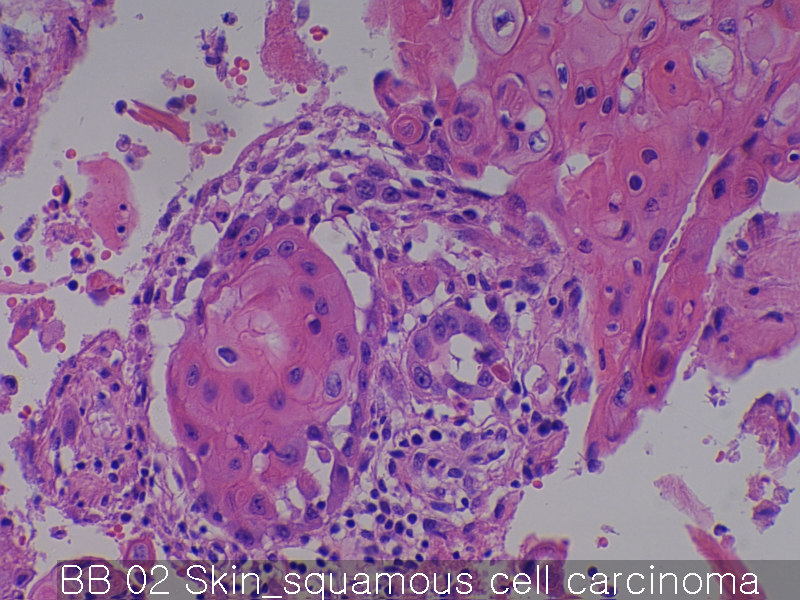
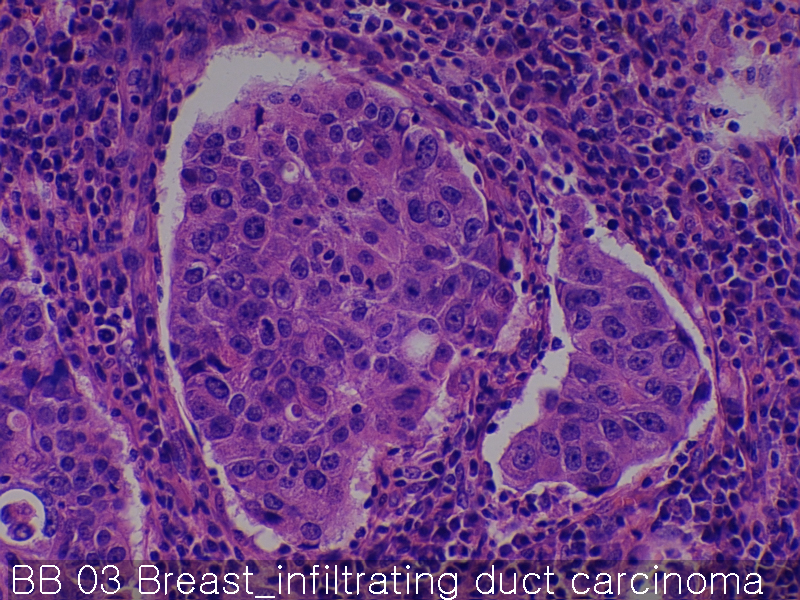
Various cancers Skin Malignant      Various cancers Skin Squamous call carcinomaVarious cancers Breast infiltrating duct carcinoma

Product Related Literature

In order to determine the cause and to develop strategies for the treatment prevention, diagnosis, and treatment, cancer research is the basic research of cancer.
Range of Cancer Research, Molecular Biotechnology to conduct clinical trials to evaluate the application of cancer treatment various comparing epidemiological. These applications, treatment will include a combination of surgery, radiation therapy, chemotherapy, hormonal therapy, and immunotherapy, and radiation therapy and chemotherapy. Since the mid-1990s, the emphasis in clinical cancer research, shift towards the treatment, that is derived from the study of biotechnology, such as gene therapy and immunotherapy such.

This type of research includes (chemical carcinogen that is) such as genetics, diet, environmental factors, and a variety of fields. The the causes, with respect to a potential therapeutic target, enters the basic research beginning with data obtained from clinical observations, results were subsequently confirmed independently with convincing obtained route, more human In order to test the safety and efficacy of continuing therapeutic intervention method for clinical research, including research that has been designed properly, people. It is an important part of basic research is a characteristic function of the potential mechanism of carcinogenesis regarding types of epigenetic changes and genetic associated with the development of cancer. Mice often used as a mammalian model for the operation of the function of genes that play a role in tumorigenesis, the main aspects of tumor initiation by mutagenesis were analyzed from cultures of mammalian cells and bacteria.

There are cells of several different types is important for tumor growth. Specifically, endothelial precursor cells, is an important cell populations of tumor growth vessel. Was demonstrated in the journal and development and gene (2008) and (2007) Science impact resistance factor showed that also this finding is important for angiogenesis endothelial progenitor cells and metastasis. This importance of endothelial progenitor cells in angiogenesis and tumor growth, was confirmed by (August 2010) recent publication of cancer research. In this paper ingenious, endothelial progenitor cells, it can be labeled with an inhibitor of DNA binding 1 (ID1) was shown. This new discovery is that it also was able to monitor the endothelial progenitor cells from bone marrow into the blood of tumor stroma, researchers, it was incorporated into the tumor vasculature. This finding of endothelial progenitor cells involved in tumor vasculature, vascular development demonstrates the importance of this cell type in the configuration of the tumor. In addition, removal of endothelial progenitor cells in the bone marrow produces a significant decrease in vascular development and tumor growth. Thus, endothelial progenitor cells, is very important in a new therapeutic target of current and tumor biology.

The purpose of oncogenomics is that of identifying a tumor suppressor gene or oncogene novel capable new insights in the diagnosis of cancer for predicting the outcome of cancer, as well as providing new targets for the treatment of cancer. “The main purpose of the study cancer. Thing to identify the mutated genes that are involved in the causal carcinogenic (cancer gene)”, as described in the 2004 review article cancer genome project, cancer genome It includes being able to investigate the changes in the genome efforts won the genetic mutation from hundreds of thousands of human cancer atlas project sample is related to cancer and cancer of the document space database.
Including different types of about 350 of the tumor, the large projects of these have been identified 3000-130000 mutations in genes that are mutated in tumor. Bulk 286 was observed 33 ares oncogenes and tumor suppressor genes, genes in 319 of them.

I can genetic Several factors increase the risk of cancerous mutations comprising the activation of the inhibition of tumor suppressor genes or oncogenes. Oncology and various features of the tumor suppressor gene can be blocked at various stages of tumor development. Mutations in these genes can be used to classify the malignant tumor. In a later stage, the tumor may express resistance to the treatment of cancer. The determination of tumor suppressor genes and oncogenes, is it, to understand that the success of the treatment and progression of the tumor is important. The role of a given gene in cancer progression, depending on the type and stage of the cancer involved, it may be quite different.

Most funds for cancer research has come from charity non-profit business, and the taxpayer. In the United States, more than 30% of cancer research of all, was funded by the commercial research by pharmaceutical companies. Public spending per capita of cancer research charity and by American taxpayers, is 7 times more public spending by charities and taxpayers in the European Union (EU). As a percentage of GDP, fund cancer research non-profit in the United States, is the amount of four times devoted to cancer research in Europe. Funded by the charity half of the non-cancer research in Europe.